Brake pad replacement: how often is too often
Stamford stop-and-go on I-95 eats pads faster than highway miles. We walk through the real numbers and the sounds to listen for first.
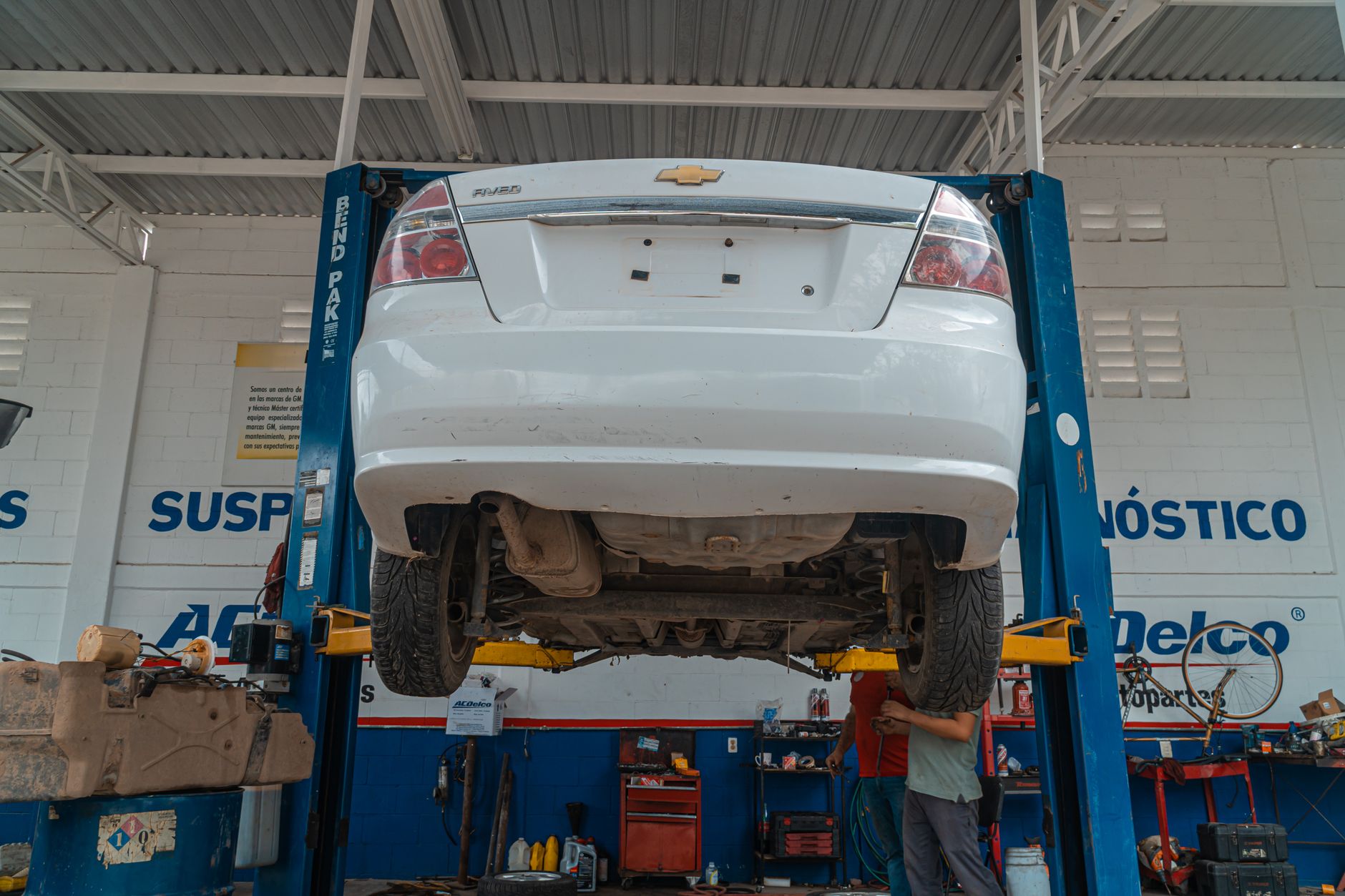
Brake pads do not wear on a calendar. They wear on the miles those miles contain. A Stamford driver doing the daily crawl down Washington Boulevard and Atlantic Street will wear a set of pads faster than the same car doing 95 north to Hartford.
Most modern pads have a wear sensor that throws a light when the friction material is down to roughly 3 millimeters. By the time you hear metal on metal, you have already turned a pad job into a pad-and-rotor job.
The sounds to listen for come in order. A light squeal when the brakes are cold and dry is often the wear-indicator tab doing its job. A grind is the backing plate on the rotor. A pulsing pedal is a warped rotor, not a pad problem, and it will not fix itself.
We measure pad depth at every service and write the number on the invoice. You should always know whether you have 8 millimeters left or 2. That is the difference between next year and next month.
Cheap pads cost more. A budget pad that glazes in the first month will eat rotors and leave you back in a bay six months later. We use pads rated for the heat the stop-and-go around here actually generates.
Have a question about your car?
Call the shop. We would rather tell you on the phone than have you pay for a visit you did not need.
(203) 967-2550